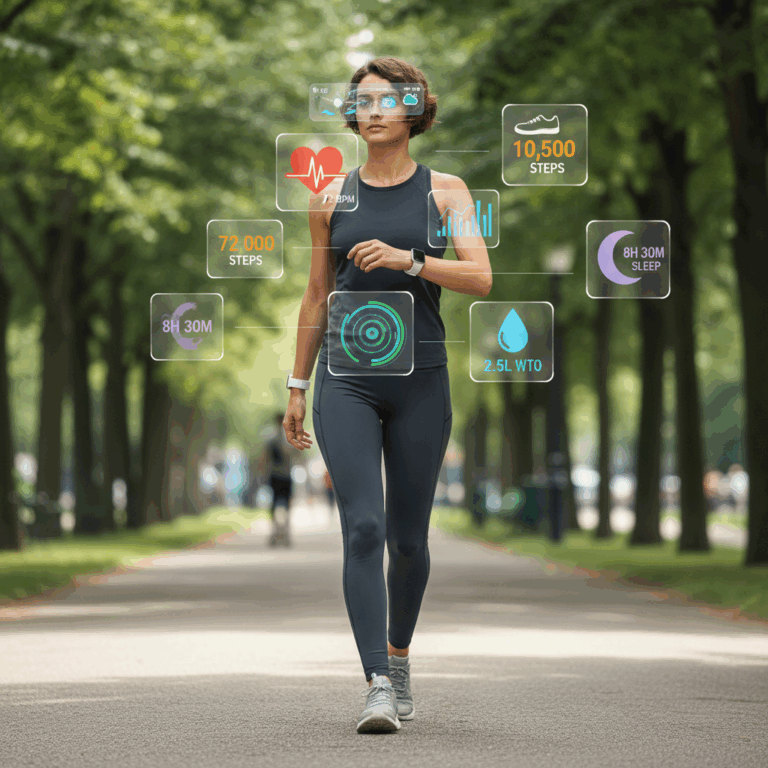
Types of Health Monitoring Wearables
Wearable technology includes devices designed to continuously track health data, offering insights into personal well-being. These devices have evolved to provide real-time monitoring of vital signs.
Common forms of health monitoring wearables are smartwatches, fitness trackers, and specialized medical sensors, each designed to collect specific physiological information.
Smartwatches and Fitness Trackers
Smartwatches and fitness trackers are among the most popular health wearables, equipped with sensors for heart rate, ECG, blood oxygen, and sleep quality tracking. They connect easily to smartphones for data sharing.
These devices enable users to monitor vital signs continuously, detect early health issues, and stay motivated towards fitness by tracking physical activity and sleep patterns with high accuracy.
Advanced models also provide insights into heart rate variability and guide lifestyle choices, making them valuable for both everyday health management and medical monitoring.
Continuous Glucose and Blood Pressure Monitors
Continuous glucose monitors (CGMs) offer needle-free, real-time blood sugar tracking, especially helpful for diabetic patients to avoid frequent finger pricks and maintain better control over glucose levels.
Remote blood pressure monitors allow users to measure hypertension at home, syncing data via Bluetooth to healthcare providers to improve treatment plans and facilitate ongoing monitoring.
These medical wearables enhance chronic disease management by providing continuous data and alerts that prevent complications and improve patient outcomes.
Key Health Metrics Tracked by Wearables
Wearable devices track a variety of vital health metrics to provide users with comprehensive insights. Monitoring these key indicators helps in early detection and ongoing management of health conditions.
From cardiovascular signals to sleep patterns and glucose levels, wearables continuously collect data, enabling users and healthcare professionals to make informed lifestyle and treatment decisions.
Cardiovascular Monitoring: Heart Rate, ECG, and Blood Pressure
Heart rate tracking is fundamental in wearables, providing real-time data on beats per minute to gauge fitness and detect abnormalities. It helps identify issues like arrhythmias early.
ECG sensors embedded in advanced devices capture electrical heart activity, allowing users to record and share ECG readings with doctors remotely, facilitating timely diagnosis.
Blood pressure monitoring wearables enable users to check hypertension conveniently. These devices sync with smartphones and cloud platforms, allowing continuous management and improved treatment outcomes.
Sleep and Physical Activity Tracking
Wearables track sleep stages including deep, light, and REM sleep, providing insights on sleep quality and duration. This data guides users in improving rest and recovery.
Physical activity tracking measures steps, calories burned, and exercise intensity, encouraging healthy habits. Users receive reminders to stay active and meet personalized fitness goals.
Combined, sleep and activity data offer a holistic view of lifestyle, helping optimize daily routines for better overall health and wellness.
Glucose Levels and Blood Oxygen Saturation
Continuous glucose monitors allow real-time blood sugar tracking, essential for diabetes management. Alerts for high or low glucose levels promote timely interventions and better control.
Blood oxygen saturation sensors measure oxygen levels in the blood, an important vital sign especially for respiratory conditions. Low levels can indicate health risks requiring attention.
These metrics empower users to monitor metabolic health and respiratory function, supporting proactive management of chronic conditions.
Role of Artificial Intelligence in Wearables
Artificial Intelligence (AI) enhances wearable technology by analyzing complex health data in real time. This integration transforms wearables into smart health assistants.
With AI, wearables provide personalized health insights and proactive alerts, helping users manage their well-being more effectively. AI enables early detection of potential issues.
Personalized Health Insights and Alerts
AI algorithms process continuous data from wearables to deliver tailored health insights. These insights help users understand patterns and improve lifestyle choices.
Wearables equipped with AI can detect anomalies such as irregular heartbeats or blood sugar fluctuations, sending timely alerts to users and healthcare providers.
Personalized alerts support preventive care by encouraging early intervention and helping avoid serious health complications through continuous monitoring.
Wearables and Lifestyle Management
Wearable devices play a crucial role in helping users manage their lifestyle by promoting healthy habits. These gadgets track physical activity and nutrition to support overall wellness.
By offering real-time feedback and reminders, wearables empower individuals to stay motivated, maintain healthy routines, and make informed lifestyle choices.
Encouraging Physical Activity and Nutrition Tracking
Wearables motivate users to increase physical activity by monitoring steps, exercise duration, and calories burned. Personal goals and alerts encourage consistent movement throughout the day.
Nutrition tracking integrated with wearables allows users to log meals and hydration, fostering awareness of dietary habits. This support helps improve eating behaviors and maintain balanced nutrition.
Some devices use AI-driven insights to analyze activity and dietary patterns, providing tailored recommendations that enhance energy levels and optimize health.
Chronic Disease Prevention and Management
Wearables aid in preventing chronic illnesses by encouraging lifestyle changes such as regular exercise and healthy eating. Early warnings and trends help users avoid risk factors.
For those with chronic conditions, continuous monitoring of vital signs enables timely interventions and better management. Alerts notify users of abnormal readings, prompting medical attention.
Integration with healthcare platforms allows seamless sharing of data, improving communication between patients and providers for personalized care plans.