Consumer Tech Market Growth and Spending
The consumer tech market in 2025 shows significant growth, driven by advances in connected devices and evolving spending habits. Consumers are investing heavily in new technologies.
Spending trends reveal consumers increasing their budgets for both hardware and digital services, reflecting a broader commitment to integrating technology into everyday life. This signals sustained market expansion.
Increase in Connected Device Expenditure
US households increased their spending on connected devices to an average of $896 in 2025, up from $764 the previous year. This growth illustrates strong consumer demand despite slight easing in affordability concerns.
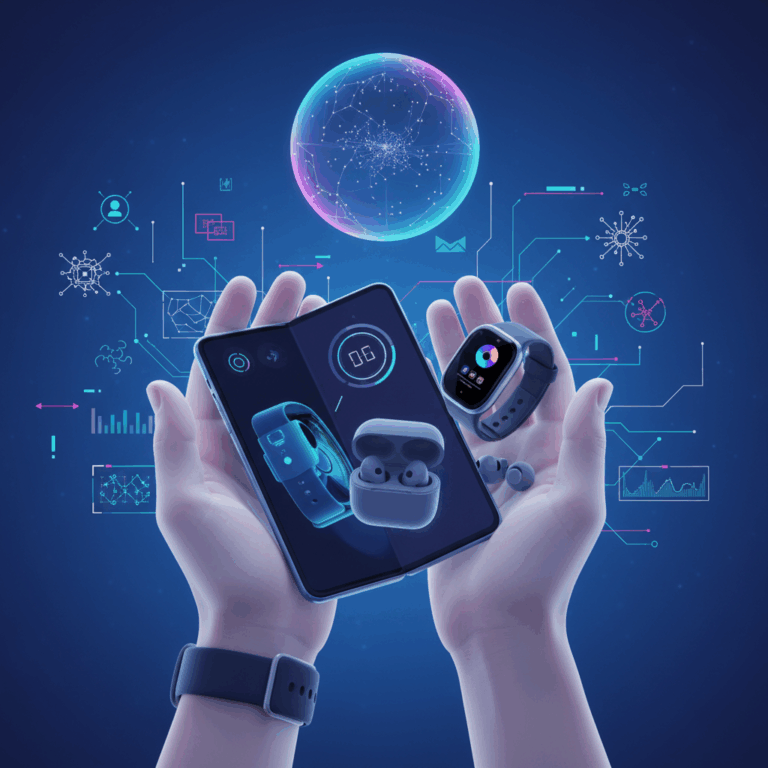
Devices such as smartphones, tablets, smart home gadgets, and wearables contribute to this upward trajectory. Consumers continue to prioritize connectivity and smart features in their technology purchases.
This rise in expenditure highlights how embedded technology is becoming in daily routines, as more users adopt interconnected devices for work, entertainment, and home automation needs.
Rising Investment in Tech Services and Subscriptions
Alongside hardware, spending on tech services, including internet access, cloud storage, and digital subscriptions, is increasing rapidly. Consumers recognize the value of ongoing service access.
The growing reliance on digital services ensures continuous engagement and updates, supporting seamless, convenience-driven experiences across multiple platforms and devices.
This dual investment in devices and services represents a shift to a more integrated technology ecosystem, where users prioritize both innovation and sustained connectivity.
Key Innovations in Consumer Gadgets
The consumer tech landscape in 2025 is shaped by breakthrough innovations that enhance user experience. Gadgets now blend immersive features with smarter interfaces.
Leading this wave are extended reality technologies, smart widgets, IoT devices, and wearable computing, reflecting rising consumer expectations for seamless, intelligent interactions.
Extended Reality (XR) Technologies
Extended Reality (XR) combines virtual, augmented, and mixed reality to create immersive and interactive digital experiences. XR devices are revolutionizing how users engage with content.
Products like Sony’s spatial content systems and AR glasses from Snap and Rokid allow users to overlay virtual elements onto the real world, offering new possibilities for entertainment and productivity.
This technology enhances gaming, training, and social connectivity, becoming a mainstream consumer trend that blends the physical and digital in innovative ways.
Smart Lock Screen Widgets
Smart lock screen widgets offer users instant access to personalized information without unlocking their phones. These widgets improve convenience and efficiency on mobile devices.
Primarily popular on Android platforms, these features reduce friction by displaying notifications, weather updates, or music controls right on the lock screen for quick interactions.
This innovation reflects a focus on user experience, providing smarter, context-aware access that saves time and enhances daily usability.
Internet of Things (IoT) and Smart Home Devices
IoT technology connects everyday home appliances to the internet, enabling smart automation and control. Devices such as thermostats, locks, and sensors are increasingly common in households.
These smart home products offer energy efficiency, security, and convenience, controlled remotely via apps or voice assistants to create truly connected living environments.
Consumers value the integration of IoT devices for seamless automation, reflecting higher expectations for intelligent and responsive homes.
Wearables and Advanced Computing Devices
Wearable technology continues to advance, focusing on health monitoring, fitness tracking, and lifestyle management. These devices collect data to provide personalized insights and recommendations.
Advanced computing gadgets including powerful laptops, tablets, and 5G-enabled smartphones support demanding work, gaming, and entertainment needs, blending portability with performance.
Consumers increasingly demand devices that are not only powerful but also intuitive and integrated into their daily routines, driving innovation in this sector.
Consumer Expectations and Behavior
In 2025, consumer expectations emphasize AI-driven personalization balanced with ethical considerations. Users seek tailored digital experiences that respect privacy and transparency.
Behavioral trends show shifting priorities toward convenience and sustainability in technology use, influencing how consumers interact with devices and services daily.
AI-Driven Personalization and Ethics
Consumers increasingly demand personalized experiences powered by AI, valuing recommendations that reflect their preferences and lifestyles while expecting trustworthy data handling.
This growing focus on ethical AI use means companies must prioritize transparency, fairness, and privacy, addressing user concerns about data misuse or bias.
AI enhances online shopping, content delivery, and service customization, but consumers remain vigilant about responsible AI deployment in all touchpoints.
Shifts in Device Lifecycle and Sustainability
Consumers show evolving attitudes toward device lifecycles, preferring timely replacements and upgrades over repairs, which affects sustainability efforts in tech markets.
While retro tech gains popularity for nostalgia, there is a need to balance this with environmental awareness, prompting brands to innovate in eco-friendly materials and recycling.
Overall, sustainability is becoming a core consideration, influencing product design, purchase decisions, and the longevity of consumer technology solutions.
Emerging Trends and Market Impact
The consumer tech market in 2025 is witnessing a notable resurgence of retro tech products, driven by nostalgia and a desire for simpler, tangible experiences. These trends complement modern innovations.
This revival highlights consumer interest in products that blend classic design with modern functionality, creating unique market opportunities and influencing product development strategies.
Resurgence of Retro Tech Products
Retro tech products are making a comeback as consumers seek devices that provide a nostalgic connection with familiar aesthetics and user experiences. This trend taps into emotional appeal.
Items such as vintage-style radios, film cameras, and classic gaming consoles are popular, often updated with contemporary technology to meet current usability standards.
This resurgence reflects a consumer desire for more meaningful, tactile interactions in a digital age dominated by screens and virtual experiences, blending retro charm with innovation.
Integration of Connectivity and User-Centered Design
Modern consumer technology increasingly focuses on seamless connectivity and intuitive, user-centered design to meet evolving demands for effortless device use and interaction.
Devices are designed with smart integration across platforms and ecosystems, prioritizing convenience, personalization, and responsive interfaces to enhance user satisfaction.
Impact on Consumer Experience and Market Dynamics
This fusion of connectivity with user-focused design drives market growth by offering consumers smarter products that fit naturally into their lifestyles and workflows.
Manufacturers prioritizing this approach gain a competitive edge, as users expect devices that deliver both technical excellence and effortless engagement on a daily basis.